

Managing weight can feel challenging. Many factors influence eating habits, such as hunger, cravings, stress, sleep, and daily routines. So, a lot of folks explore alternative wellness methods alongside their healthy lifestyle changes. One alternative is Acupressure, which can help promote relaxation and mindful eating habits.
Acupressure involves applying light finger pressure to the traditional body points. But consider Acupressure to be a complementary health technique. Pair it with good nutrition, exercise, sleep, and stress reduction.
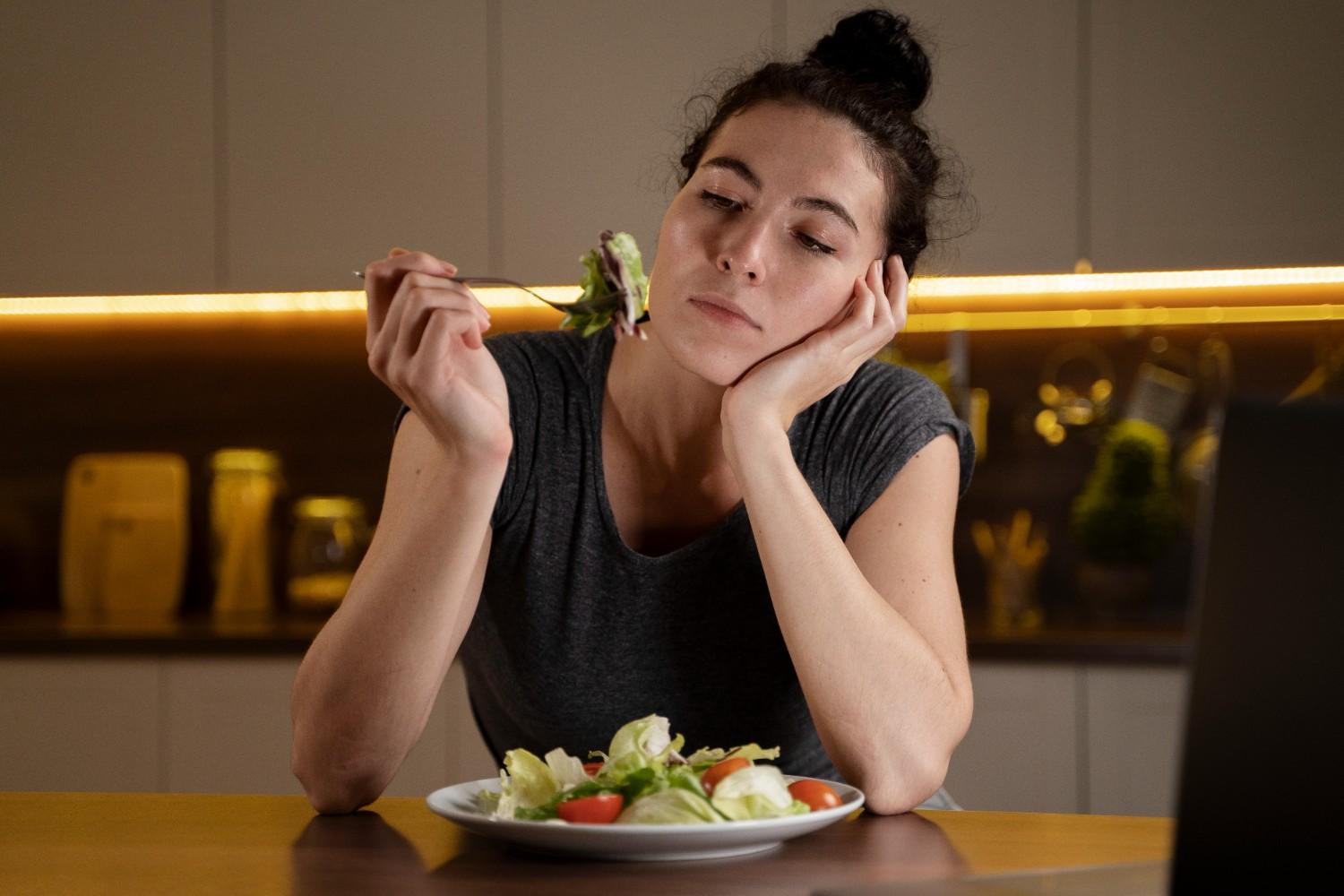
There are lots of factors that affect appetite. Hunger can be affected by your sleep, your feelings, your activity, what you eat, and your health. Additionally, stress can lead to emotional and/or unplanned eating. A calming routine may help you become more aware of your eating habits.
Acupressure can be incorporated into this activity. Using gentle pressure can create a pause for mindful eating and promote relaxation. However, it shouldn’t be a substitute for nutritional advice or medical treatment.
 What Are Acupressure Points for Weight Loss and Appetite Control?
Neiguan (also known as PC6) is located on the inner forearm. This is the point where traditional acupressure treatment is applied. Many people use it for relaxation exercises.
How to try it:
Use comfortable pressure. Do not push so as not to cause pain.
Zusanli (ST36) is located on the outside of the lower leg, below the knee. It is a common point in traditional Chinese medicine. It’s typically part of a larger wellness regimen.
Gently massage the area with your thumb. Make small circular motions for 1 or 2 seconds. This can be practiced during a quiet break. Be careful, though, not to irritate any skin or areas of injury.
Sanyinjiao is located on the inner side of the ankle and is called SP6. Traditional healers use this point for a variety of well-being purposes. For a simple routine, apply gentle pressure with the thumb. Grip tightly and let go. Avoid strong stimulation.
SP6 should not be stimulated unless advised by a qualified health care practitioner during pregnancy.
Hegu refers to LI4, which is located between the thumb and index finger. It’s a convenient choice if you are seeking a quick acupressure treatment.
Apply a gentle massage with your opposite thumb on the area. Take a moment (count to 5), then release. Given its traditional uses, people incorporate it into relaxation practices. It is advised that pregnant women avoid stimulating LI4 unless their healthcare provider tells them to.
Yintang is the middle of the eyebrows. It is frequently used in traditional Acupressure for relaxation. Hence, it can be easily incorporated into an intentional eating plan.
Close your eyes. Then, gently touch the area between your eyebrows. Gently press for 5 seconds. Breathe slowly. This is an easy habit to do and can provide a brief pause before eating. Keep in mind, though, that relaxing does not equal losing weight.
Acupressure is best used as part of a comprehensive lifestyle program. Take a few quiet minutes before eating.
These are easily done steps:
This can help you become more aware of how you eat. Moreover, mindful eating can help you to identify any habits that lead to unnecessary snacking.
 Combine Acupressure and Good Nutrition
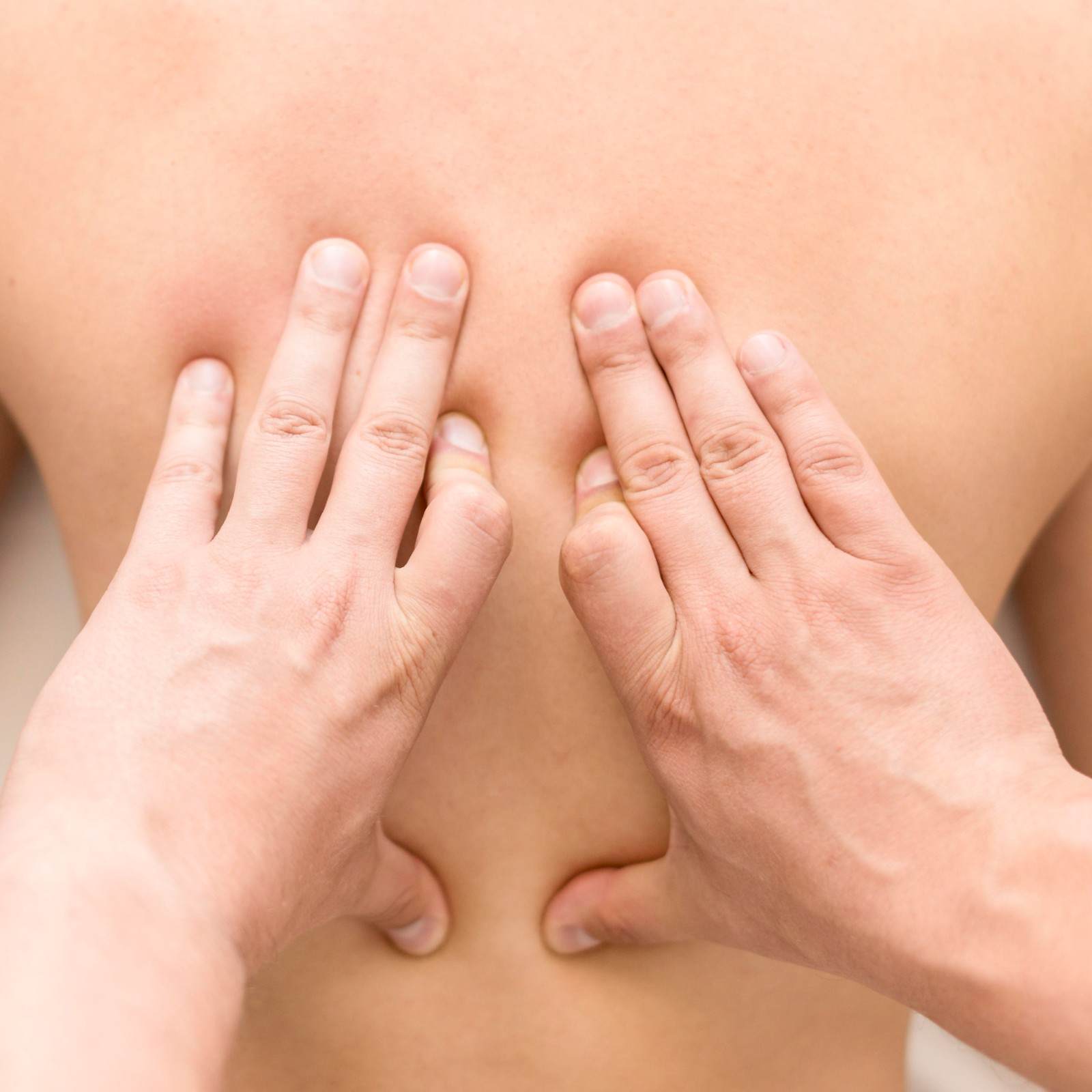
There is no substitute for a healthy diet. Rather, include nutrient-dense foods in your meals.
Consider adding:
Focus on sustainable food choices rather than extreme diets.
Exercise is a big part of weight loss. Regular exercise improves how your body uses energy. It may also provide sleep and health benefits.
There’s no need for complicated exercises. Begin with activities that you like to do.
For example:
Adults generally need at least 150 minutes of moderate activity each week. Strength training also benefits overall health. Start gradually if you have been inactive.
Weight management is more than food and exercise. Sleep also matters. Getting less sleep may lead to greater hunger and appetite. Stress also can impact eating patterns. Hence, establish a regular sleep pattern.
You can also try:
These practices can be complemented by a relaxing self-care activity such as acupressure.
No. Acupressure should not be used as a substitute for medical treatment, nutrition counselling, or a weight-management plan as prescribed by a doctor.
Several reasons can cause weight changes. These include medications, medical conditions, hormones, genetics, stress, age and lifestyle.
If you have any unusual or unexplained weight loss or ongoing appetite issues, talk with a health professional. A qualified professional can help identify contributing factors.
Generally, Acupressure is gentle. Still, use care.
Avoid pressure over:
If you feel pain, dizziness, or discomfort, stop immediately. Additionally, check with your health care provider before applying acupressure, particularly if you have a medical condition or are taking medications.
First and foremost, be aware of any product or program that claims quick weight loss using pressure points. Prevention of overweight and obesity typically involves making a lifestyle change.
There are many interrelated habits to weight management . So, a balanced solution is often better than a short-in-the-dark approach. Acupressure is just one simple and soothing option to add to your wellness regimen. But combine it with healthy eating, exercise, and good sleep.
Dr. Ma Acupuncture Centre offers individual acupuncture and acupressure treatment and can help you explore other supportive care options based on your needs.
No, current evidence does not establish acupressure as a proven method for direct weight loss.
Evidence remains limited, so acupressure should complement healthy eating rather than replace appetite management.
Yintang is traditionally used during relaxation practices and may fit into mindful eating routines.
Use gentle sessions regularly if comfortable, while following appropriate professional health guidance.
Healthy eating, physical activity, adequate sleep, stress management, and professional guidance support sustainable weight management.

Whether you are suffering from arthritis pain, headaches, fatigue, depression, or even tumors, Dr. Ma Acupuncture Centre is the tried and tested provider of Chinese medicinal techniques that yield the desired results with the use of safe and proven effective solutions.
Here at Dr. Ma Acupuncture Centre, we are passionate about helping people feel better as they get healthier. We customize our acupuncture, Chinese Massage, and Gua Sha Therapy services to each individual’s precise needs. This means that you get the exact solution for your unique health issues every time.
So if you are in Ellicott City and are in search of the trusted specialist in acupuncture and Chinese Massage Ellicott City MD folks rely on, there is only one name to keep in mind – Dr. Ma Acupuncture Centre!

For additional questions, either fill out the contact form, send me an email, or give me a call at +1 443-756-0563, +1 301-473-2788
